January 14, 2026
Proper surface preparation is one of the most critical steps in industrial processes, directly influencing the durability, performance, and quality of coatings, paints, and protective treatments. Inadequate preparation can lead to coating failures, corrosion, reduced adhesion, and expensive maintenance. Among the various methods available, sandblasting has emerged as a highly versatile and efficient solution across multiple industries, from automotive and aerospace to construction, manufacturing, and restoration. By removing rust, old coatings, and surface contaminants while providing a uniform texture, sandblasting ensures that surfaces are optimally prepared for subsequent applications.
Investing in proper surface preparation not only improves the longevity and performance of coatings but also minimizes operational costs and enhances safety. With ongoing advancements in abrasive materials, equipment, and environmentally responsible processes, sandblasting continues to set the standard for effective surface treatment. This guide explores the role of surface preparation, the mechanics of sandblasting, its benefits, and why industries increasingly rely on this method to achieve consistent, high-quality results.
Understanding Surface Preparation and Its Industrial Importance
Surface preparation serves as the foundation for all coating, sealing, and repair applications. It involves cleaning, smoothing, or roughening surfaces to ensure optimal adhesion and performance of coatings, paints, or protective layers. Without proper preparation, even the highest-quality coatings may fail prematurely, leading to corrosion, peeling, or structural degradation.
Industries such as construction, automotive manufacturing, aerospace, marine, and metal fabrication all rely heavily on surface preparation. In construction, proper preparation ensures paints, sealants, and protective coatings last longer under environmental stresses. Automotive and aerospace sectors require precise preparation to guarantee smooth finishes, corrosion resistance, and adherence to strict quality standards. Marine industries, in particular, face harsh conditions like saltwater exposure and extreme humidity, making surface preparation crucial to prevent rapid corrosion and extend structural life.
Beyond industrial applications, surface preparation is vital in restoration and conservation. Historical artifacts, sculptures, and architectural elements require gentle yet effective cleaning methods to preserve their integrity and aesthetic appeal. Sandblasting, when applied with precision, offers a balance of power and control, making it ideal for both heavy industrial and delicate restoration work.
Exploring Common Surface Preparation Techniques
Surface preparation encompasses multiple techniques, each suited to different materials, environments, and outcomes. Mechanical methods include sandblasting, grinding, wire brushing, and abrasive blasting, which remove old coatings, rust, and other contaminants. Sandblasting, in particular, is highly effective for large-scale or challenging surfaces, delivering uniform cleaning and a textured profile that enhances coating adhesion.
Chemical methods rely on acids, solvents, or alkaline solutions to clean surfaces, often used when mechanical processes alone are insufficient. Thermal methods, such as flame cleaning and laser treatment, apply heat or focused light energy to remove contaminants. Increasingly, modern industries combine techniques for optimal results, such as chemical cleaning followed by sandblasting for thorough surface preparation.
The selection of preparation methods depends on substrate type, environmental conditions, and the final coating requirements. Using the right combination of techniques ensures durability, efficiency, and compliance with industry standards.
Addressing Challenges in Surface Preparation
Surface preparation presents several challenges that industries must navigate carefully. Different materials—metal, wood, composites, or delicate surfaces—require tailored methods to avoid damage while achieving effective cleaning. Environmental factors such as humidity, temperature, and exposure to contaminants can impact outcomes, necessitating careful control and planning.
Sustainability is another growing challenge. Many traditional chemical methods pose environmental risks due to hazardous emissions or waste. As a result, industries are increasingly adopting eco-friendly abrasives, including biodegradable and recycled materials in sandblasting operations. Budgetary constraints also play a role, as specialized equipment, abrasives, and skilled labor require significant investment. Achieving high-quality surface preparation while balancing cost, safety, and environmental responsibility requires strategic planning and expertise.
Understanding Sandblasting and Its Mechanism
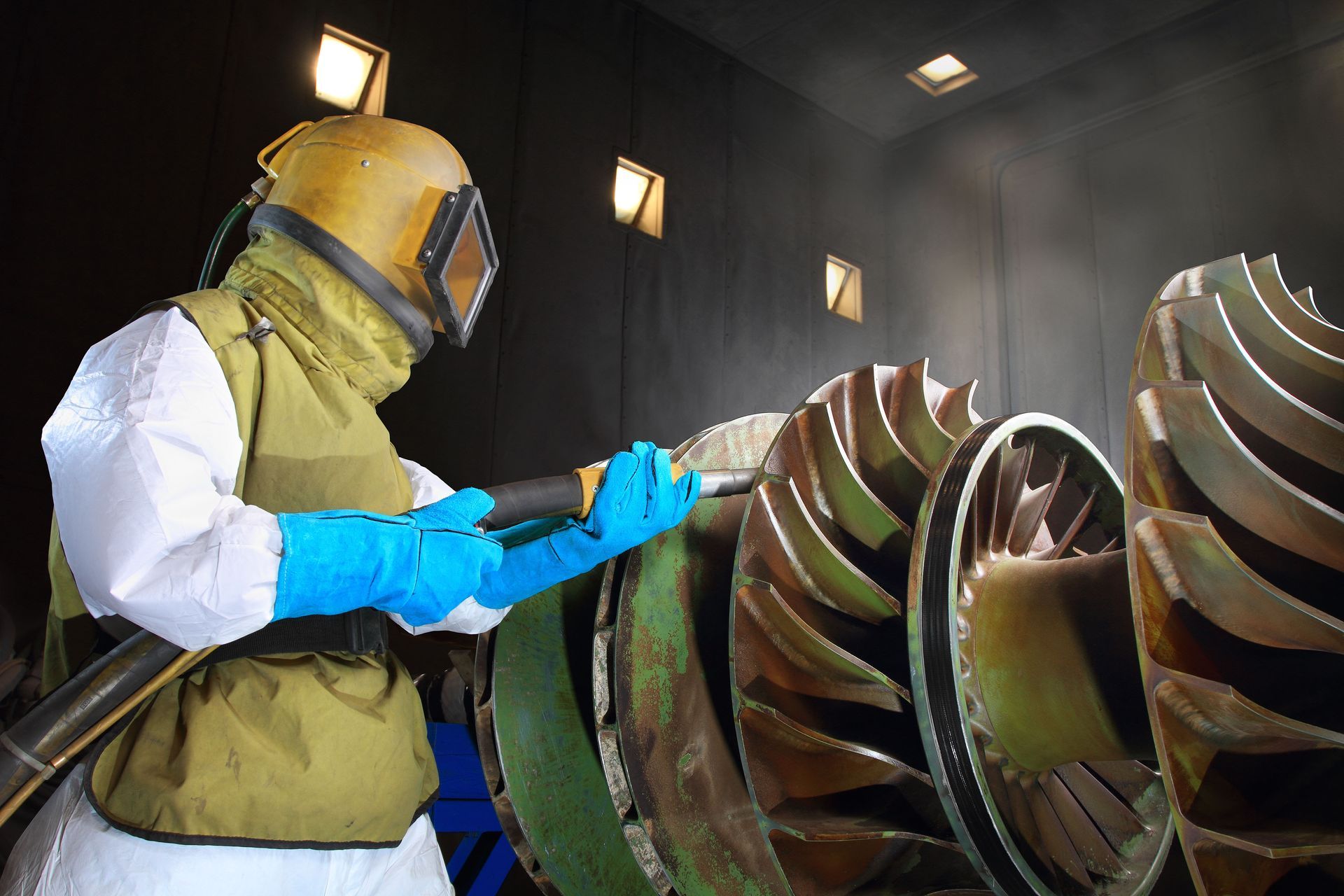
Sandblasting, also known as abrasive blasting, has been a cornerstone of surface preparation since its invention by Benjamin Chew Tilghman in the late 19th century. The process propels high-velocity abrasive particles against a surface to remove rust, paint, scale, and other contaminants. Sandblasting provides a uniform texture, making surfaces ideal for subsequent coatings or treatments.
Modern sandblasting has evolved to include a wide variety of abrasives—glass beads, aluminum oxide, steel grit, silicon carbide, and eco-friendly organic media like walnut shells and corn cob grits. Each abrasive offers specific advantages depending on the surface type, required finish, and environmental considerations. Wet blasting techniques further minimize dust, making the process safer and environmentally responsible. Operators can adjust pressure, nozzle type, and distance to tailor the process to delicate or heavy-duty surfaces, ensuring versatility across industries.
Highlighting Abrasive Materials and Equipment in Sandblasting
The choice of abrasive material is central to sandblasting effectiveness. Glass beads provide a smooth finish for delicate surfaces, while harder abrasives such as aluminum oxide and silicon carbide efficiently remove rust and coatings from robust materials. Organic and recycled abrasives reduce environmental impact without sacrificing performance, allowing industries to meet sustainability goals.
Equipment plays a crucial role in sandblasting operations. Key components include the blasting machine, air compressor, media storage, and nozzle. Portable units allow access to challenging locations, while automated systems provide precision and consistency, reducing labor costs and human error. Specialized equipment, such as wet blasting systems, helps suppress dust and comply with environmental regulations. Modern sandblasting equipment integrates advanced safety features and maintenance capabilities, ensuring both operational efficiency and operator protection.
Maintaining Safety and Regulatory Compliance in Sandblasting
While highly effective, sandblasting can pose risks including dust inhalation, projectile abrasives, and noise exposure. Safety requires adherence to OSHA guidelines and the use of personal protective equipment, including respirators, protective clothing, and hearing protection. Dust suppression, proper ventilation, and routine equipment maintenance are essential to reduce hazards.
Environmental compliance is equally critical. Spent abrasives, removed coatings, and other waste must be managed responsibly. Advances in filtration, predictive maintenance, and monitoring technologies help companies meet regulatory requirements while maintaining high operational standards. Proper safety and compliance practices ensure sandblasting remains a sustainable, efficient, and safe surface preparation method.
Demonstrating the Benefits of Sandblasting for Surface Preparation
Sandblasting offers numerous advantages over other surface preparation techniques. It enhances coating adhesion by creating a uniform surface profile, allowing paints and protective layers to bond more effectively. Rust, corrosion, and old coatings are removed efficiently, providing a clean substrate ready for treatment. Consistent surface textures also prevent coating defects such as blistering, uneven thickness, or premature failure.
Enhanced adhesion is especially important in the automotive industry, which is the fastest-growing segment in the sandblasting media market. According to Sky Quest, the automotive segment showcases a projected CAGR of 7.3% from 2023 to 2030, reflecting the increasing reliance on precise sandblasting for high-quality, durable finishes. Sandblasting improves efficiency by preparing large areas quickly, reducing labor costs, and facilitating environmentally responsible practices such as wet blasting and recycled abrasives.
Proper surface preparation is essential for achieving durable, high-quality coatings and repairs.
Sandblasting stands out as an efficient, adaptable, and environmentally conscious solution that enhances adhesion, removes contaminants, and creates uniform surfaces. With advancements in equipment, abrasives, and safety measures, sandblasting continues to meet industry demands while minimizing risks and environmental impact.
Invest in professional sandblasting services today to maximize the longevity, quality, and performance of your projects. Contact TSD Custom Coatings today to experience the full benefits of expert surface preparation and ensure your surfaces are prepared to the highest standard.